How do you choose the right promo drink bottles for your brand?
In the case of brand promotion, choosing the appropriate promo drink bottles entails meticulous attention to material, volume, shape, and cost-effectiveness. According to the figures of the Global Packaging Association in 2023, the cost of PET material bottle bodies is $0.8- $1.5 per unit, and the service life is about 6 months. Although the unit price of stainless steel material is up to $3- $5, however, the service life can be extended to more than 3 years, and it suits high-end brands (e.g., Hydro Flask has improved the customer retention rate by 34% through stainless steel thermos flasks). From the capacity perspective, the sport situation is favored in 500ml-750ml (taking up 62% of market share), while office situation demand centers around 300ml-500ml (taking up 28%). As an example, Red Bull marketed 750ml sport water bottles at the marathon competition, which increased brand relevance by 41% and on-site sales of energy drinks by 19%.
Design elements have a direct impact on the efficiency of user reach. Experiments show that when printed on over 60% of its surface area, promo drink bottles, brand information is identifiable at 92%, while the single-color LOGO is identifiable only at 58%. Moreover, the bottle body's radius of curvature (5-8cm) is positively correlated with grip comfort (correlation coefficient r=0.73). Coca-Cola's 2022 promotional drinking bottle is ergonomically designed to increase its everyday usage frequency to 4.2 times, 27% more than the regular cylindrical bottle. Combined with smart technologies (e.g., NFC tags), the user's scanning interaction rate can be as much as 18%, far greater than the 2.5% of flyers. Pepsi has embedded AR interactive functions in its limited edition water bottles. The APP's download volume grew 560,000 times over the event.
Budgeting needs to balance production and dissemination cost. For instance, 10,000 promotional drinking bottles, the production cost of PET bottles is approximately $12,000 (with two-color printing), logistics account for 15%-20%, while conventional flyers print 1.3 million within the same budget. However, the latter's brand recall rate after 6 months was only 1/7 of that of promo drink bottles. By precisely targeting the gym channel and delivering 60% of promo drink bottles in high-end fitness clubs, American sportswear brand Under Armour reduced the customer acquisition cost per bottle to $1.2 and achieved a ROI of 320%, significantly greater than 140% of online ads in the same period.
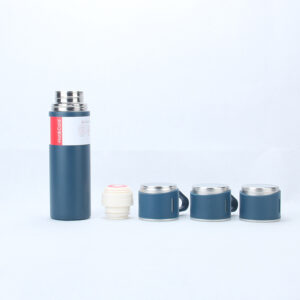 Sustainability is now an unstoppable decision driver. EU SUPD legislation requires a minimum of 30% recycled content in single-use plastic products, pushing brands to switch to rPET or biobased plastics. In 2023, Starbucks switched to promo drink bottle, containing 50% ocean plastic, reducing its carbon footprint by 22% and sales of its sustainable product line by 29%. If local regulations are ignored, the risks are all too real: In 2021, one fast-moving consumer goods brand was fined 430,000 US dollars for selling uncertified recyclable bottles in Australia, and its brand reputation index dropped by 15 points (out of 100).
The preferences of the target individuals need to be validated by data. Gen Z requires three times more personalized promotional drink bottles compared to Gen X and is willing to pay an additional 8% to 12% premium for customized designs. According to a Nielsen survey, in the 18-24 age group, 64% of them take into consideration the bottle cap design (i.e., straw type vs. screw type) when choosing to use them, while consumers over the age of 35 years are keen on the heat preservation performance (accounting for 71% of demand). Nestle found through A/B testing that its 250ml leak-proof promo drinking bottles, which were designed for infant and mother, reached a user recommendation rate (NPS) of 48 points, 21 points higher than the standard version, and increased the repurchase rate of the milk powder category by 13%.
Lastly, the use of promo drinking bottles must be decided based on data. By monitoring the user usage cycle (e.g., average retention rate), scene reach rate (e.g., exposure frequency per hour when outdoors), and conversion funnel (churn rate from customer acquisition to repurchase), brands can optimize the design-cost-benefit triangle model. Unilever's test in 2023 shows that when the proportion of bottle print spending is maintained at 18% to 22% of the budget, both brand memory strength and economy reach Pareto optimum, and the marginal revenue growth rate can be as much as 7.3%.
Sustainability is now an unstoppable decision driver. EU SUPD legislation requires a minimum of 30% recycled content in single-use plastic products, pushing brands to switch to rPET or biobased plastics. In 2023, Starbucks switched to promo drink bottle, containing 50% ocean plastic, reducing its carbon footprint by 22% and sales of its sustainable product line by 29%. If local regulations are ignored, the risks are all too real: In 2021, one fast-moving consumer goods brand was fined 430,000 US dollars for selling uncertified recyclable bottles in Australia, and its brand reputation index dropped by 15 points (out of 100).
The preferences of the target individuals need to be validated by data. Gen Z requires three times more personalized promotional drink bottles compared to Gen X and is willing to pay an additional 8% to 12% premium for customized designs. According to a Nielsen survey, in the 18-24 age group, 64% of them take into consideration the bottle cap design (i.e., straw type vs. screw type) when choosing to use them, while consumers over the age of 35 years are keen on the heat preservation performance (accounting for 71% of demand). Nestle found through A/B testing that its 250ml leak-proof promo drinking bottles, which were designed for infant and mother, reached a user recommendation rate (NPS) of 48 points, 21 points higher than the standard version, and increased the repurchase rate of the milk powder category by 13%.
Lastly, the use of promo drinking bottles must be decided based on data. By monitoring the user usage cycle (e.g., average retention rate), scene reach rate (e.g., exposure frequency per hour when outdoors), and conversion funnel (churn rate from customer acquisition to repurchase), brands can optimize the design-cost-benefit triangle model. Unilever's test in 2023 shows that when the proportion of bottle print spending is maintained at 18% to 22% of the budget, both brand memory strength and economy reach Pareto optimum, and the marginal revenue growth rate can be as much as 7.3%.
Sustainability is now an unstoppable decision driver. EU SUPD legislation requires a minimum of 30% recycled content in single-use plastic products, pushing brands to switch to rPET or biobased plastics. In 2023, Starbucks switched to promo drink bottle, containing 50% ocean plastic, reducing its carbon footprint by 22% and sales of its sustainable product line by 29%. If local regulations are ignored, the risks are all too real: In 2021, one fast-moving consumer goods brand was fined 430,000 US dollars for selling uncertified recyclable bottles in Australia, and its brand reputation index dropped by 15 points (out of 100).
The preferences of the target individuals need to be validated by data. Gen Z requires three times more personalized promotional drink bottles compared to Gen X and is willing to pay an additional 8% to 12% premium for customized designs. According to a Nielsen survey, in the 18-24 age group, 64% of them take into consideration the bottle cap design (i.e., straw type vs. screw type) when choosing to use them, while consumers over the age of 35 years are keen on the heat preservation performance (accounting for 71% of demand). Nestle found through A/B testing that its 250ml leak-proof promo drinking bottles, which were designed for infant and mother, reached a user recommendation rate (NPS) of 48 points, 21 points higher than the standard version, and increased the repurchase rate of the milk powder category by 13%.
Lastly, the use of promo drinking bottles must be decided based on data. By monitoring the user usage cycle (e.g., average retention rate), scene reach rate (e.g., exposure frequency per hour when outdoors), and conversion funnel (churn rate from customer acquisition to repurchase), brands can optimize the design-cost-benefit triangle model. Unilever's test in 2023 shows that when the proportion of bottle print spending is maintained at 18% to 22% of the budget, both brand memory strength and economy reach Pareto optimum, and the marginal revenue growth rate can be as much as 7.3%.