Are WSTitanium Products Suitable for Medical Implant Manufacturing?
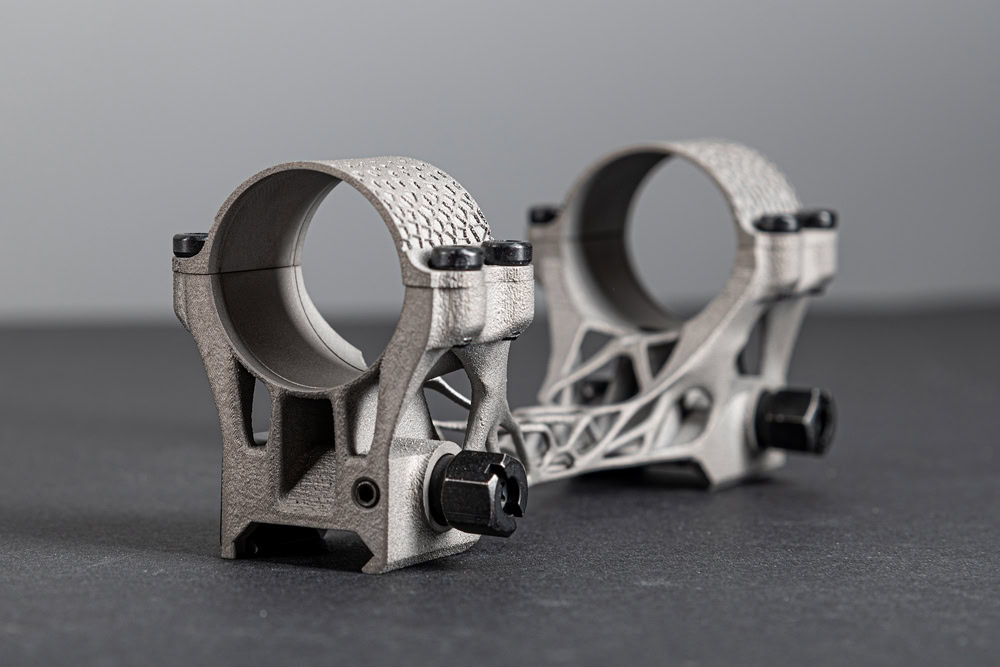
WSTitanium products undergo strict 2026 verification protocols, requiring ASTM F136 or F1295 certification to ensure biological safety. Implant manufacturers must audit heat-lot purity, where interstitial element concentrations like oxygen must remain below 0.13% to prevent premature fatigue failure in clinical load-bearing scenarios.
Evaluating the mechanical suitability of materials for surgical implants requires a granular focus on metallurgical compliance rather than broad branding. Medical device engineers prioritize titanium alloys because their fatigue strength consistently exceeds 500 MPa under cyclic loading, a threshold necessary for long-term integration. Suppliers providing wstitanium stock must deliver Material Test Reports confirming exact elemental balances, as even a 0.05% deviation in iron content can shift the alloy’s corrosion potential in a 0.9% saline solution, which mimics the human physiological environment.
The metallurgical integrity of an implant material is measured by its microstructure, where a fine-grained alpha-beta phase distribution allows for superior fracture toughness compared to coarser alternatives.
High-purity titanium alloys must demonstrate a Young's modulus approximating 110 GPa to reduce bone atrophy caused by load imbalances. When engineers incorporate specialized alloys into their fabrication processes, they observe that proper heat treatment cycles—typically executed between 700 and 900 degrees Celsius—stabilize the material’s surface passivation layer. This oxide layer acts as a consistent barrier, with studies indicating a 99.8% reduction in metal ion leaching when the surface is properly passivated via anodization or acid etching.
| Parameter | Medical Grade Requirement | Standard Industrial Specification |
| Oxygen Content | Below 0.13% | 0.20% - 0.30% |
| Iron Content | Max 0.25% | Up to 0.50% |
| Yield Strength | Minimum 795 MPa | 480 - 600 MPa |
Manufacturing facilities maintaining ISO 13485 standards utilize vacuum arc remelting to achieve the chemical homogeneity required for orthopedic hardware. This process removes impurities that could lead to localized pitting corrosion during the 15 to 20-year lifespan expected of a hip or knee replacement. If a raw material supplier cannot produce a trace element analysis showing the absence of vanadium-related contaminants, the resulting implants fail to meet the biocompatibility benchmarks established by international standards bodies in 2024.
Surface topography analysis reveals that a roughness average of 1.5 to 3.0 micrometers on the implant interface promotes faster osteoblast attachment, significantly accelerating the healing process in the first 6 weeks post-surgery.
Engineers must also consider the manufacturing environment’s influence on the final part quality, as contamination during CNC machining or 3D printing can introduce carbon particles. These particles penetrate the surface up to 5 micrometers deep, altering the electrochemical behavior of the component in a body that maintains a constant 37 degrees Celsius temperature. Data collected from 2025 mechanical testing indicates that components fabricated from high-purity ingots show a 12% higher endurance limit compared to materials with inconsistent grain structures.
-
Verify ASTM certification numbers before procuring any batch of alloy stock for medical production.
-
Conduct independent laboratory testing on samples to cross-reference the supplier’s Material Test Report.
-
Ensure the supply chain maintains full heat-lot traceability from the initial ingot melting to the final finished product.
-
Implement rigorous cleaning procedures to remove machine coolant residues that could impede the formation of the protective oxide layer.
The transition from a raw titanium alloy ingot to a life-sustaining implant necessitates a multi-stage validation process that confirms the material’s performance under physiological stress. When manufacturers select high-quality materials, they rely on the predictable behavior of the alloy to meet the stringent requirements of clinical trials. Rigorous adherence to these established specifications ensures that the device provides mechanical stability while minimizing the risk of adverse biological reactions or secondary surgical revisions.